UNESCO is uniting schools around the world to take action against waste.
Trash Hack: Action learning for sustainable development is a guide for teachers to engage their students to trash hack their classrooms, schools, communities and homes.
STEAM education for plastic-free primary schools

UNESCO is uniting schools around the world to take action against waste.
Trash Hack: Action learning for sustainable development is a guide for teachers to engage their students to trash hack their classrooms, schools, communities and homes.
This document presents the statistic analysis of a questionnaire, answered by 136 teahers and school staff from the five 5 project countries. The survey run from 11/03/2021 to 12/05/2021 aiming to explore teachers’ views and current practices in their schools regarding the use of plastics.
The questions were categorised in: i) School Policies, ii) Teaching and learning activities, iii) Canteen and lunch practices relating to plastics.
All data collected and the results that are presented will feed in the development of the Plastic Footprint and other PLASTEAM outcomes.
This document presents the statistics analysis of a survey, answered by 545 students from the five 5 project countries that run from 11/03/2021 to 12/05/2021. The survey aimed to explore aspects related to students’ behaviour regarding plastic use, also to their mentality in this aspect.
Their answers varied, but offered an overview about: i) what type of Single Use Plastics (SUPs) are mostly used, ii) in what ways, iii) to what extent students use, reuse or recycle plastic items and iv) what motivates them to reduce plastic use.
All data collected and the results that are presented will feed in the development of the Plastic Footprint and other PLASTEAM outcomes.
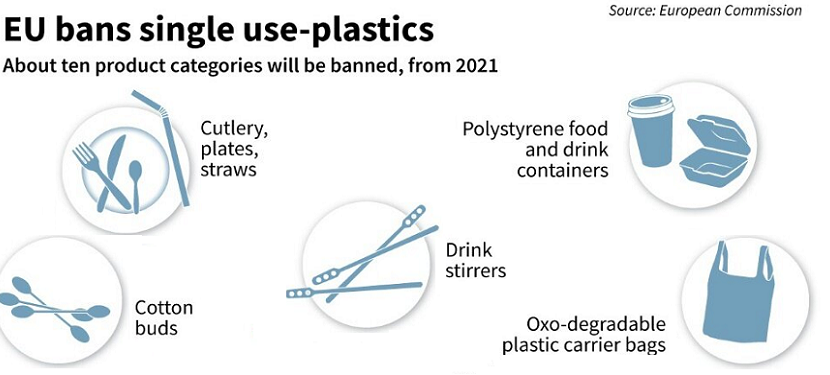
In 2019 the EU approved a pioneer legislation to curb Single-Use-Plastics (SUPs) that enters to force from 2021.
The so called “SUP Directive” establishes different measures for different SUP products, including bans, market restrictions, labelling & design improvements, awareness raising and Extended Producer Responsibility schemes.
Read more on the EU Directive and a distilled Overview Guide (update 2021) on it.
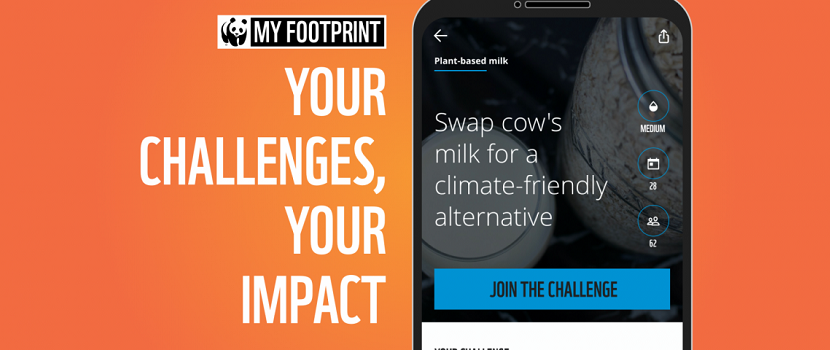
WWF’s new app is designed to be a hub for your positive change, it’s full of practical advice on how you can implement positive changes for the planet into your life, fun and informative challenges that offer lots of opportunities for you to do your bit, and easy to use tracker so you can keep an eye on your impact.
The app is available on android and IOS.
Free STEM based lesson plans to bring engaging, practical, and eco-friendly content to your curriculum. These active, tech enabled lessons help students learn more about their local environment & possibly even make a lasting impact from the results of their work.
Lesson plans are categorised according to their duration (1 day, 1 week, 1 school year) students’ age, and topic.
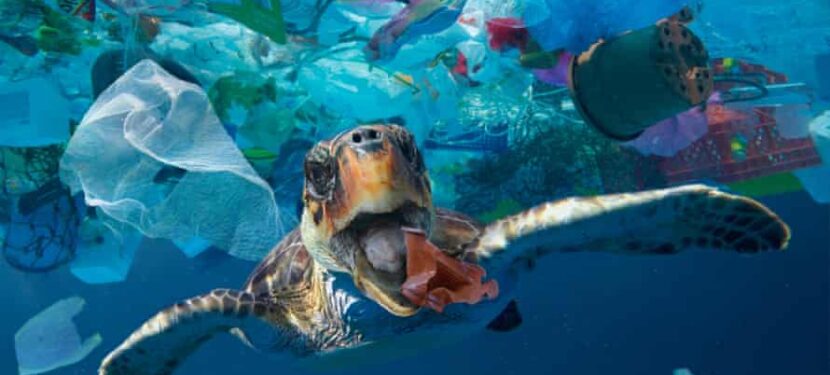
The impacts of single-use and take-away mentality depicted in one more survey. Scientists ask for measures at the source to “turn off the tap “of marine litter, rather than mere clean-ups.
Source: The Guardian
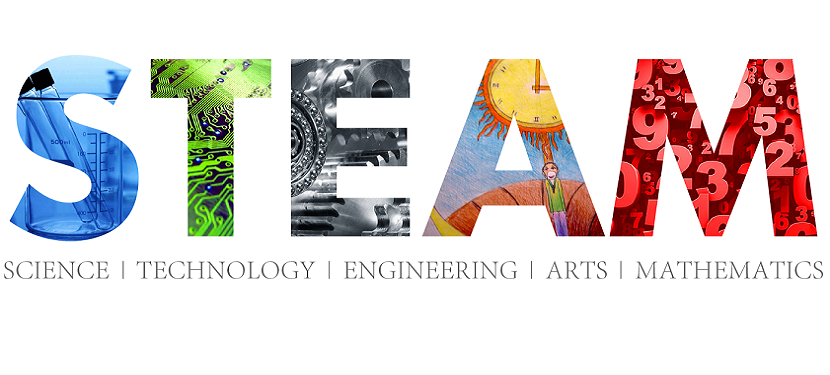
STEAM Education is an approach to learning that uses Science, Technology, Engineering, the Arts and Mathematics as access points for guiding student inquiry, dialogue, and critical thinking.
This method results in students who take thoughtful risks, engage in experiential learning, persist in problem-solving, embrace collaboration, and work through the creative process. These are the innovators, educators, leaders, and learners of the 21st century! This comprehensive article will help you understand the keys to a meaningful STEAM effort.
Source: artsintegration.com
Looking for a plastic footprint APP to try out with your students or family?
My Little Plastic Footprint is a gamification APP for individuals: Through a quiz of 100 questions it encourages users to become more conscious of their own actions and start a “plastic diet” by choosing sustainable alternatives.
Available in English language for iOS and Android devices.
https://mylittleplasticfootprint.org/
Discover more plastic footprints in the PLASTEAM’s Booklet of Good Practices.
One of the first results of PLASTEAM is this Booklet of good practices. The aim of this booklet is to collect virtuous experiences at EU and International level regarding plastic footprints. Each partner documented one or two good practices, focusing on various types of existing Plastic Footprint APPs and their methodology. The collection of good practices is based on a qualitative internet research. In total, the Booklet includes 11 good practices. In this respect the consortium is directly involving key players of plastic-free education and movement into the project, in line with the ‘whole school’ approach.
Download the Booklet.